
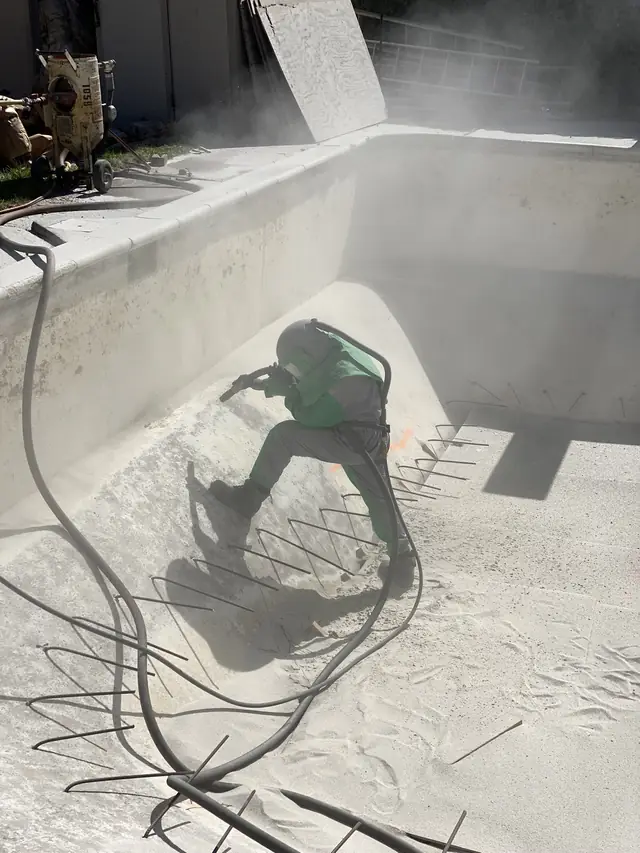
Short answer: Abrasive (sand-type) blasting is the most aggressive and suits steel, concrete and heavy coatings. Soda and micro-abrasive blasting are gentler and suit brick, stone and delicate surfaces. Dry ice blasting cleans without leaving media residue and suits equipment and sensitive areas. The right choice depends on the surface and what must come off.
Quick comparison
| Method | Best for | Consider |
|---|---|---|
| Abrasive blasting | Steel, concrete, heavy paint, rust and coatings | Aggressive; can damage soft masonry |
| Soda blasting | Paint and grime on brick, stone and softer surfaces | Gentler; media must be rinsed or removed |
| Micro-abrasive blasting | Fine detail, heritage and delicate surfaces | Slower, precise |
| Dry ice blasting | Equipment and areas where residue is a concern | Cleans without leaving media; not for heavy coatings |
How to choose
Start with the surface. Hard surfaces such as steel and concrete can take more aggressive media. Soft brick, limestone and heritage masonry need gentler methods, and a test patch first. Read is sandblasting safe for brick? and how to remove paint from brick.
See our sandblasting services and metal restoration.
Need help with your property?
Living Water has cleaned and restored 7,500+ properties across Toronto and the GTA since 1998. Call (416) 663-8000 or request a free quote.