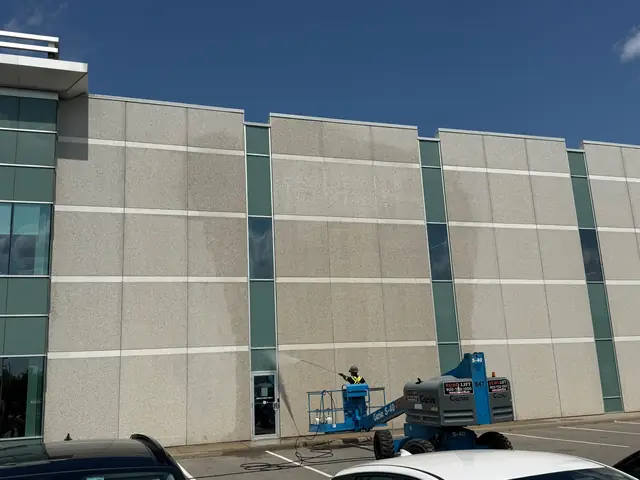
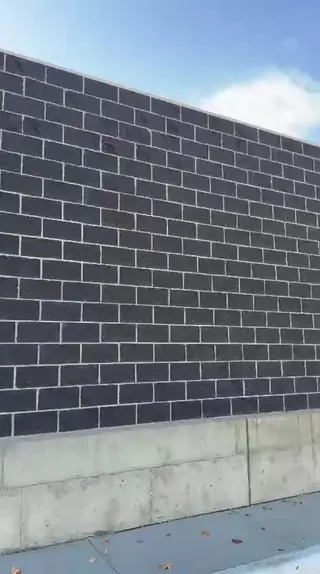
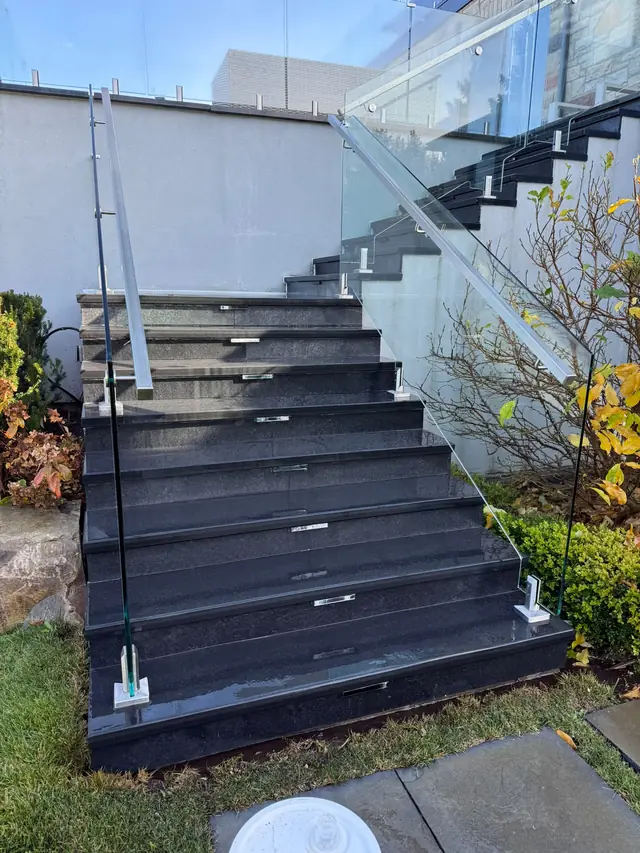
A limestone mansion facade cleaned and restored with full containment, scaffolding and protection of the entrance and landscaping.
- Service
- Historical Remediation
Before & after
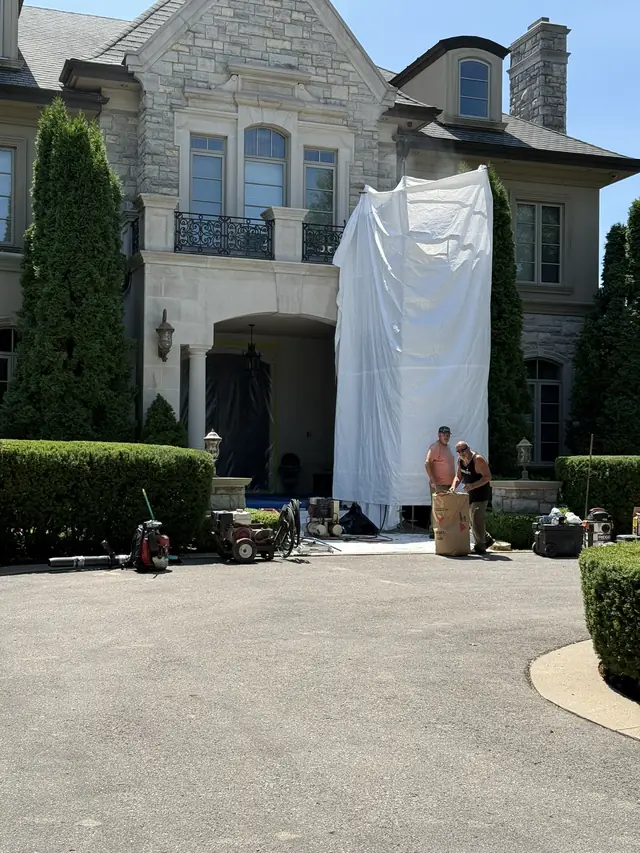
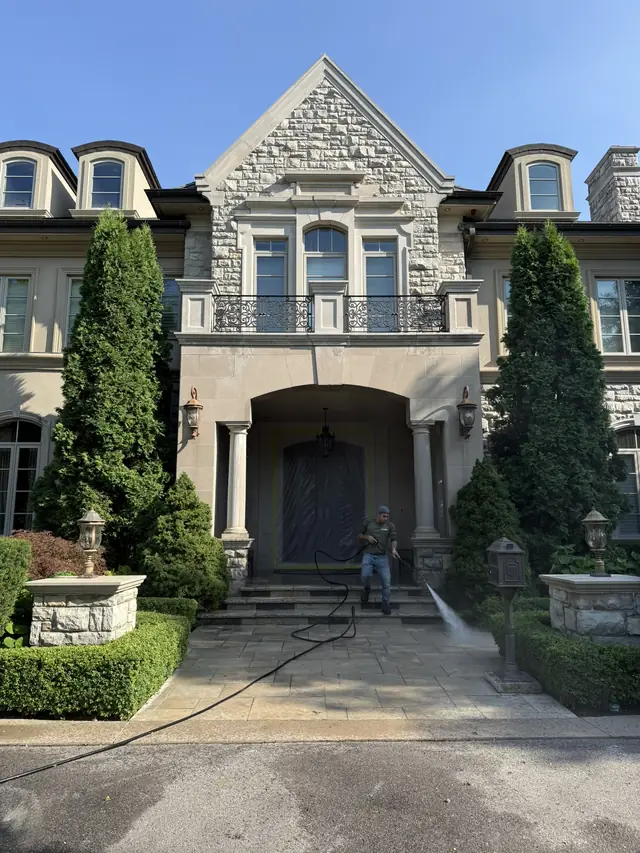
On the job
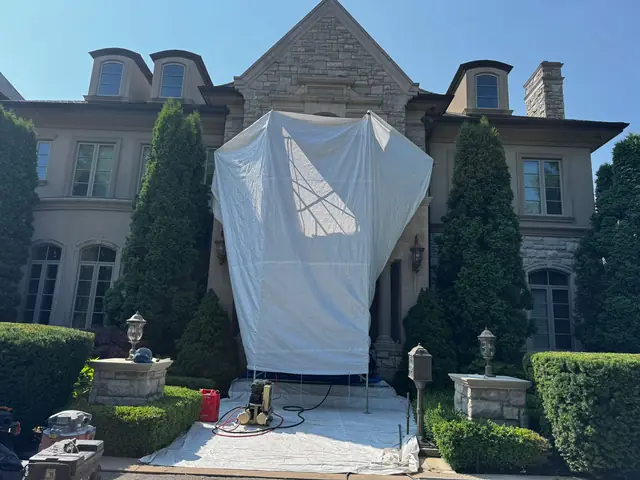
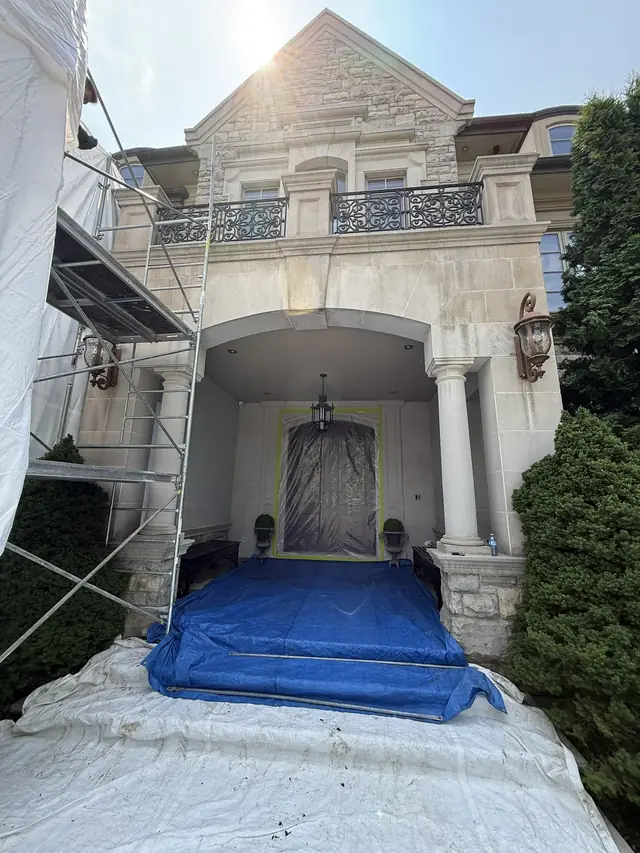
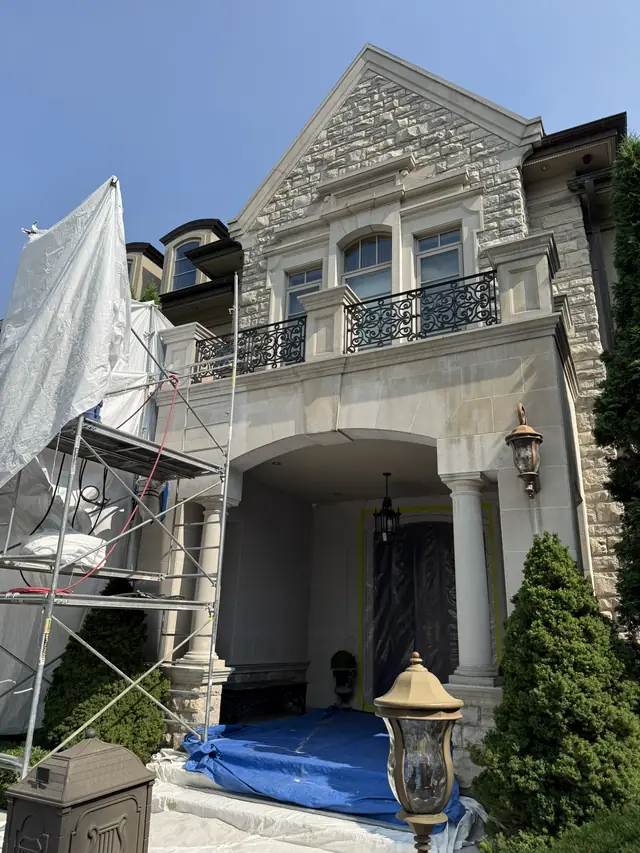
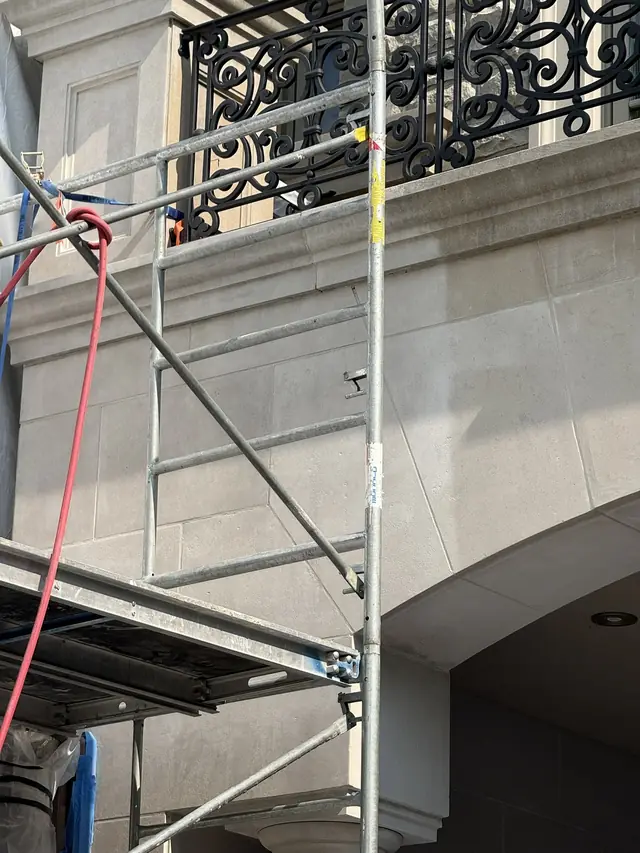
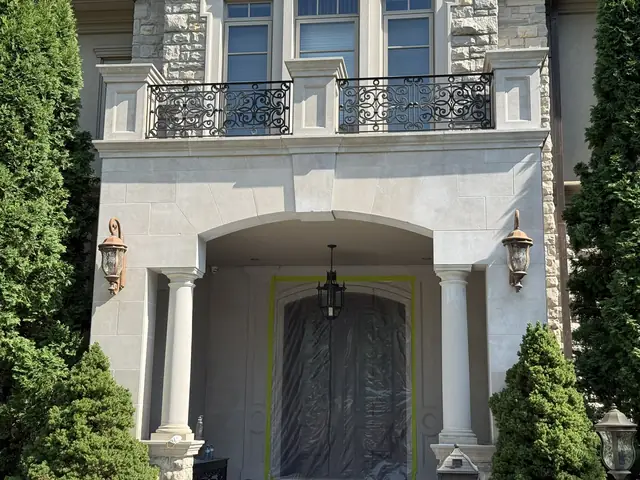
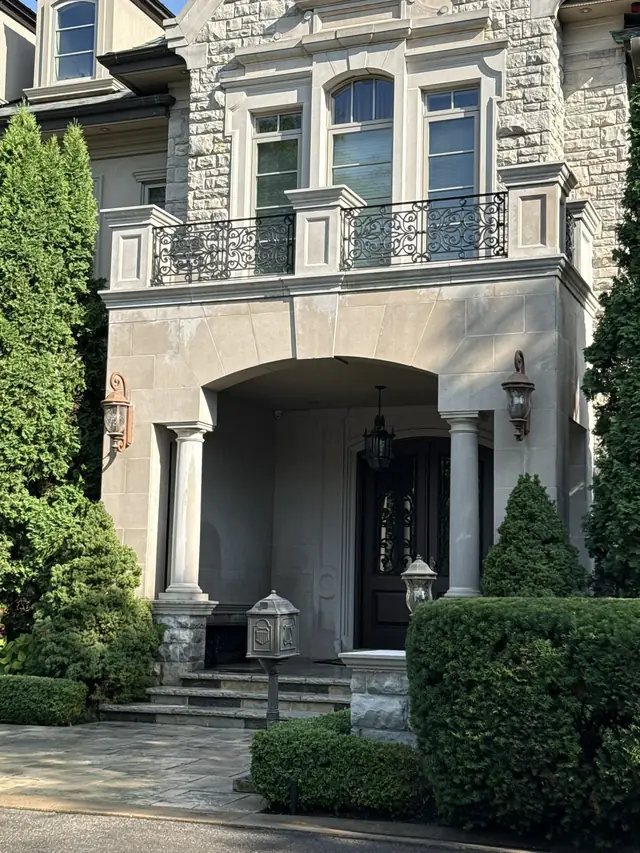
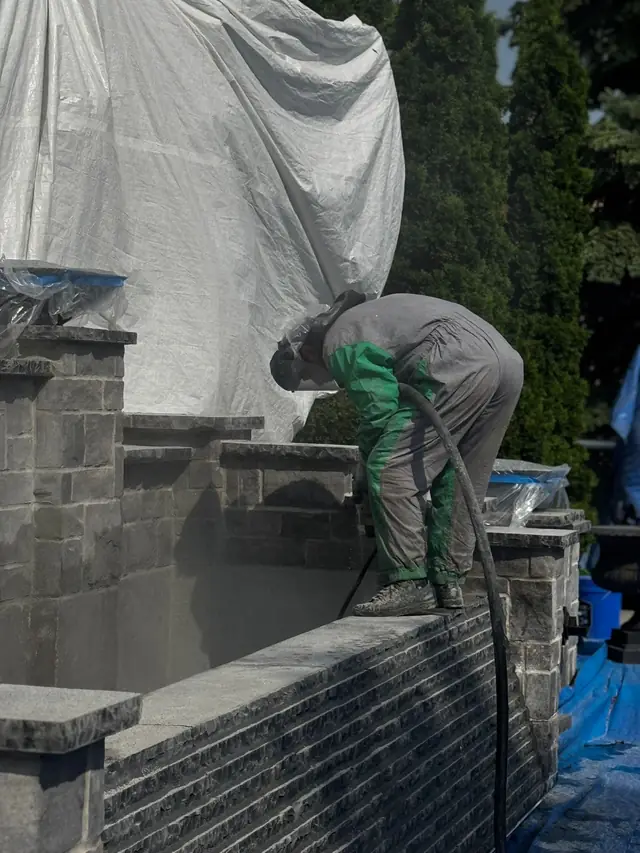
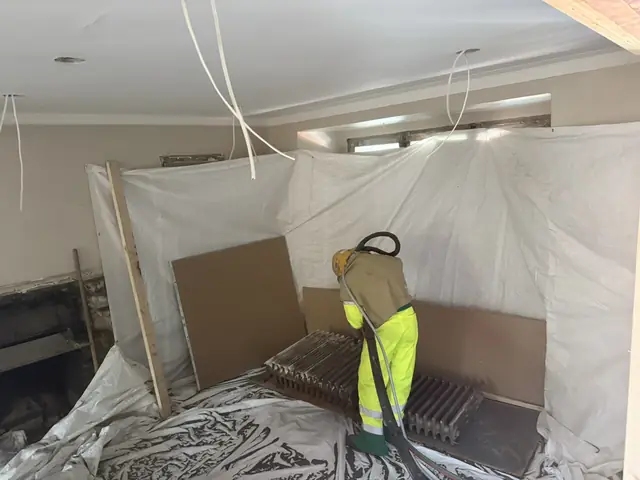
How we approach historical remediation jobs like this
Every historical remediation job starts with an on-site assessment of the surface and the soiling, followed by a test patch in an inconspicuous spot so the method and pressure are proven before the full clean. Living Water restores historic buildings, statues and landmarks in Toronto and Ontario using heritage-appropriate methods — steam cleaning, soda and micro blasting, wet and dry sandblasting, and lead paint removal — with a working knowledge of the brick, stone and metals used in Canadian construction over the past century.
- Surfaces
- Heritage brick, stone, statues, monuments, copper and aluminium
- Methods
- Steam, soda and micro blasting, poultices, lead paint removal
- Typical clients
- Conservators, architects, municipalities, owners
- Availability
- Test panels for approval
Have a similar surface? Read more about our historical remediation service or request a free, fixed written quote.
Common questions about historical remediation
Which cleaning methods are safe for heritage masonry?
Usually the gentlest effective method: low-pressure steam, poultices, soda or micro blasting at low pressure, and carefully tested chemical cleaners. High-pressure water and coarse sand are avoided on soft historic brick and stone.
Can you remove lead paint?
Yes. We remove lead-based paint from historic surfaces with containment and safe handling and disposal of waste.
Do you work with heritage consultants?
Yes. We regularly work alongside architects, heritage conservators and general contractors and can complete test panels for approval.